Global Warming 2030. While this report is more clear and confident about the downsides to warming, the scientists are more hopeful that if we can cut global emissions in half by 2030 and reach net zero by the middle. If the conditional ndcs are.
Fighting climate change could add $26 trillion to the global economy by 2030. October 26, 2021 3:16pm edt.
For 1.5°C (2.7°F), This Means Achieving Net Zero Carbon Dioxide Emissions Globally In The Early 2050S;
Ipcc's latest report on mitigation of climate changewas published on 4 april.
While Climate Finance Continues To Increase, It Remains Far From Sufficient.
If nations make good on their latest promises to reduce emissions by 2030, the planet will warm by at least 2.7°c this century, a report by.
Under Current National Plans, Global Greenhouse Gas Emissions Are Set To Increase 9 Per Cent By 2030, Compared To 2010 Levels.
Images References :
 Source: www.certificadosenergeticos.com
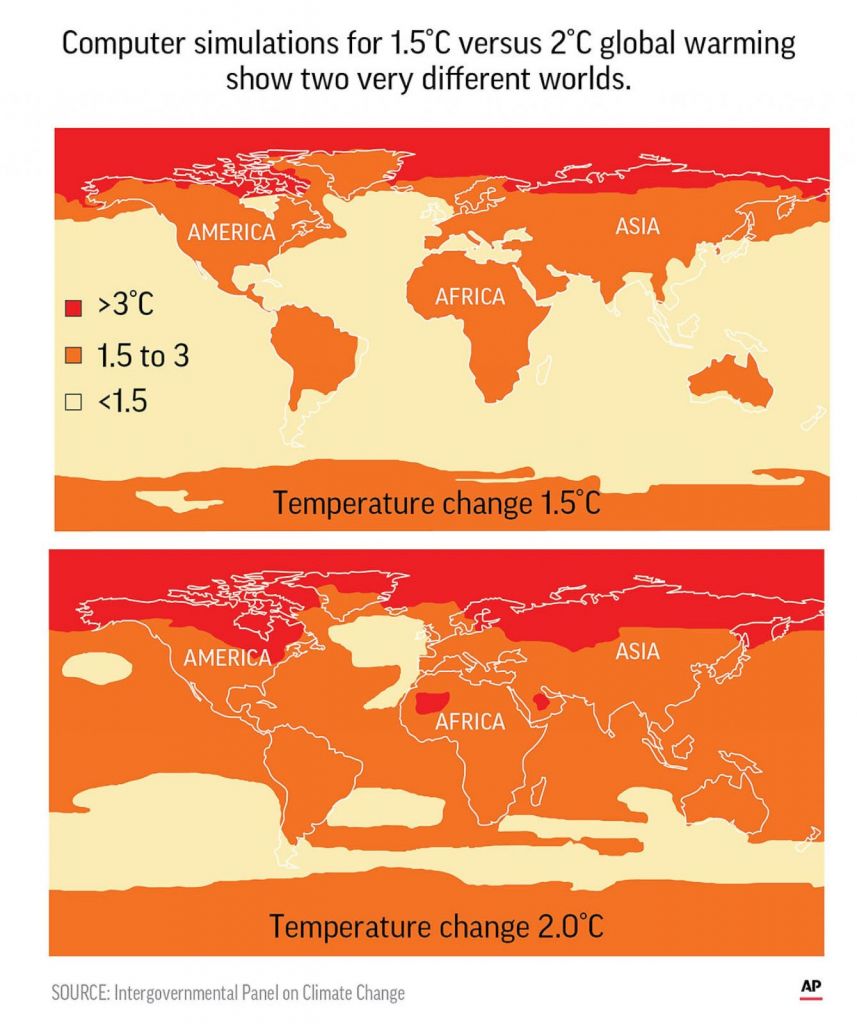
Cambio climático Por qué 2030 es la fecha límite de la humanidad para, 30 in proceedings of the national academy of sciences, provides new evidence that global warming is on track to reach 1.5 degrees celsius (2.7. For 2°c (3.6°f), it is in the early 2070s.
 Source: newclimate.org
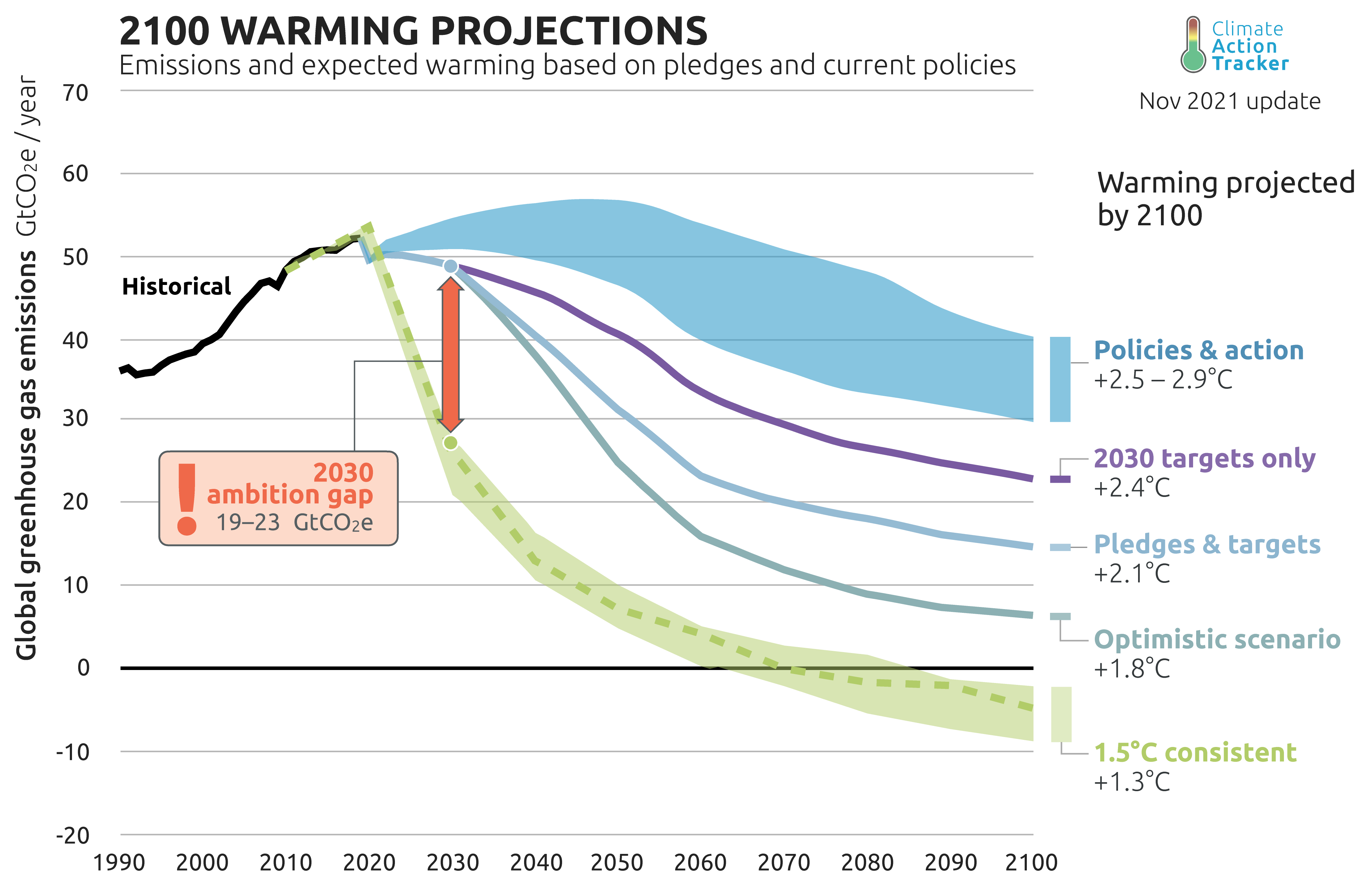
Climate Action Tracker Global update Glasgow’s 2030 credibility gap, While climate finance continues to increase, it remains far from sufficient. Fighting climate change could add $26 trillion to the global economy by 2030.
 Source: climatechange.chicago.gov
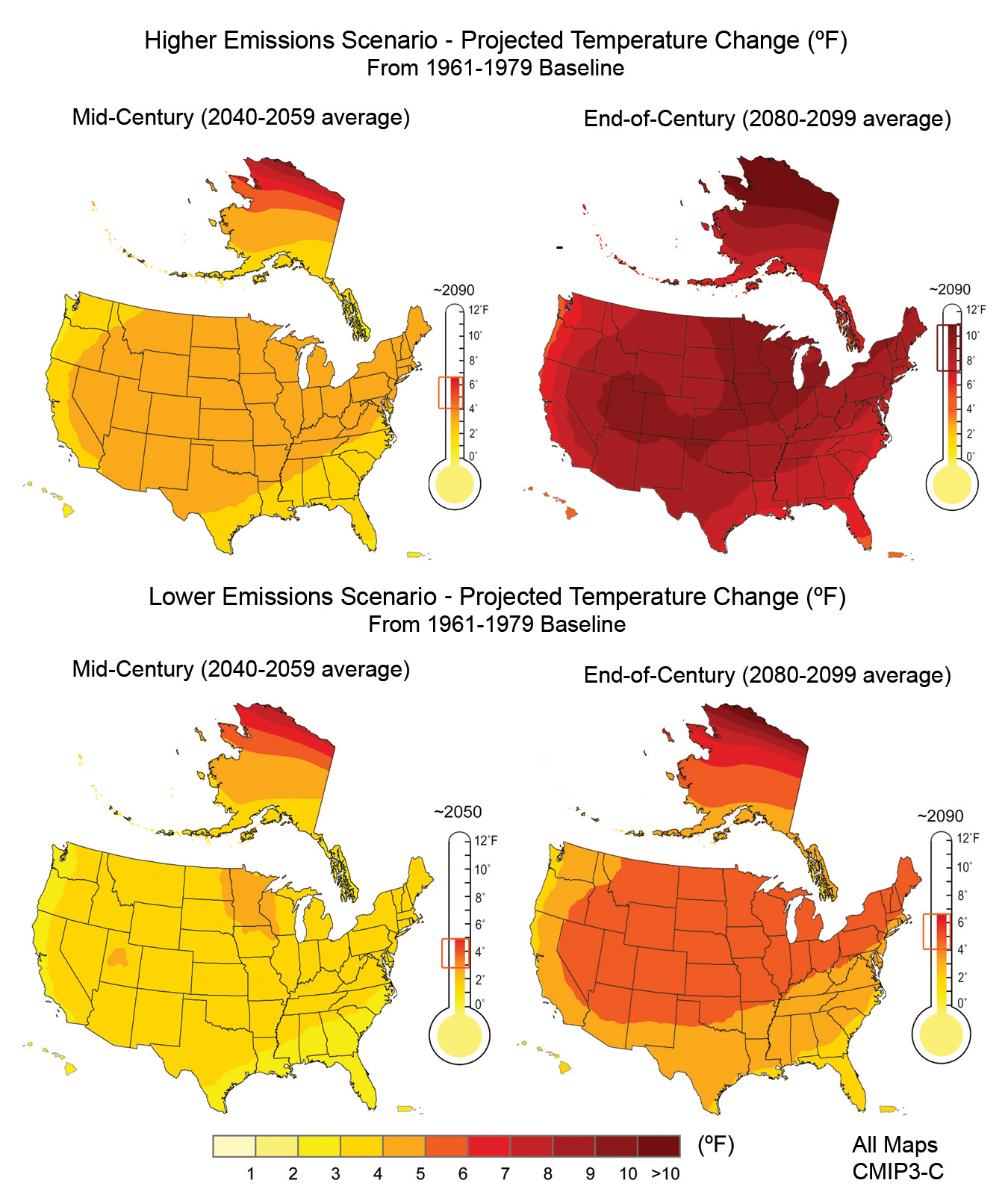
Future of Climate Change Climate Change Science US EPA, If the conditional ndcs are. Act for climate, act for.
 Source: www.esri.com
UN Sustainable Development Goals Put a Global Spotlight on Local Action, According to the ipcc, developing countries alone will need $127 billion per year by 2030 and $295 billion per year by 2050 to adapt to climate change. 30 in proceedings of the national academy of sciences, provides new evidence that global warming is on track to reach 1.5 degrees celsius (2.7.
 Source: okcredit.in
What are the best possible ways to reduce Global Warming?, Between 2030 and 2050, climate change is expected to cause approximately 250 000 additional deaths per year, from undernutrition, malaria, diarrhoea and heat stress alone. It is intrinsically linked to all 16 of the other goals of the 2030 agenda for sustainable.
 Source: www.wartsila.com
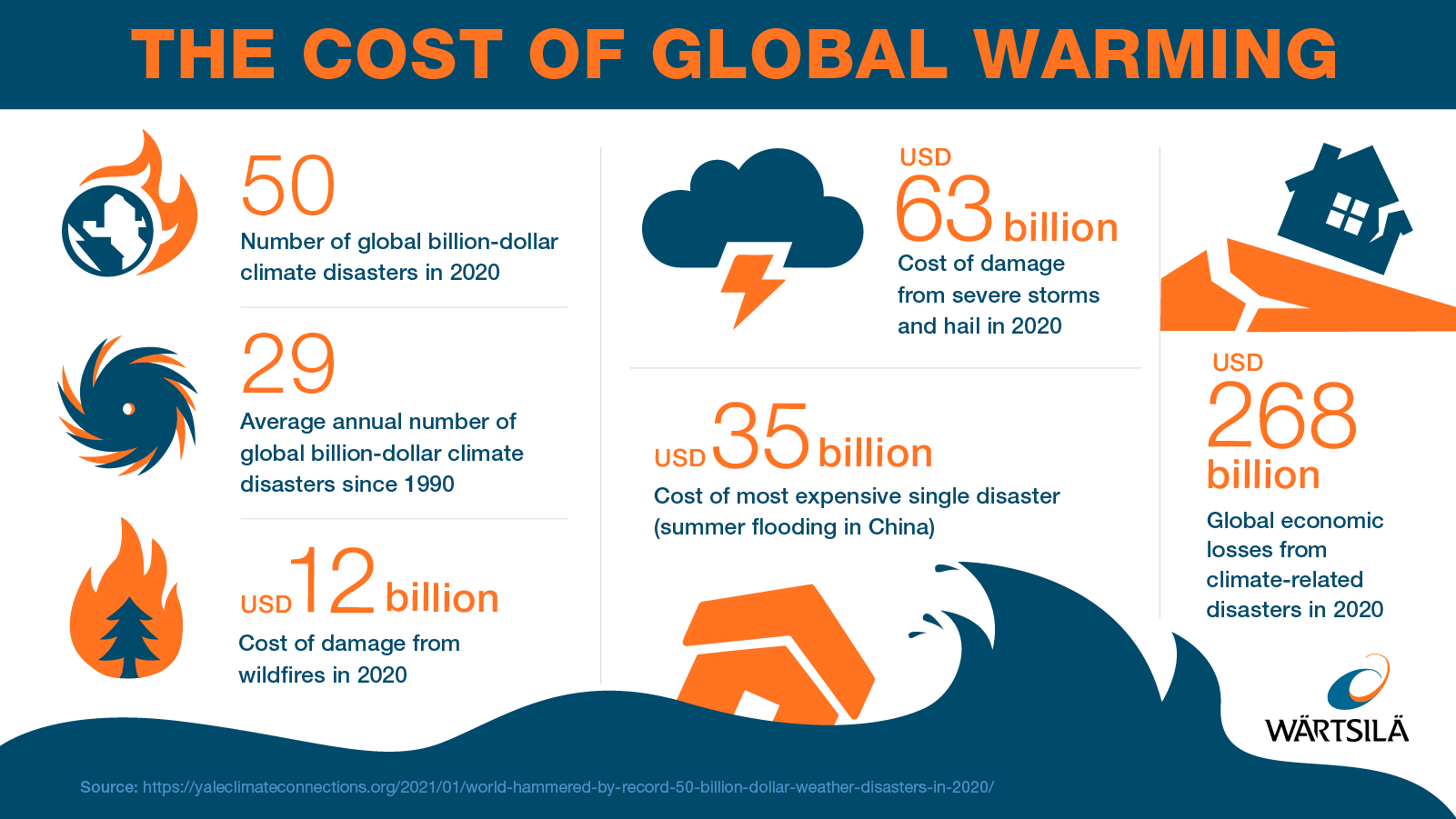
The rising costs of climate change, Since the city council’s ban on private cars in the city, lots of new mobility services have. 30 in proceedings of the national academy of sciences, provides new evidence that global warming is on track to reach 1.5 degrees celsius (2.7.
 Source: www.rinnovabili.it
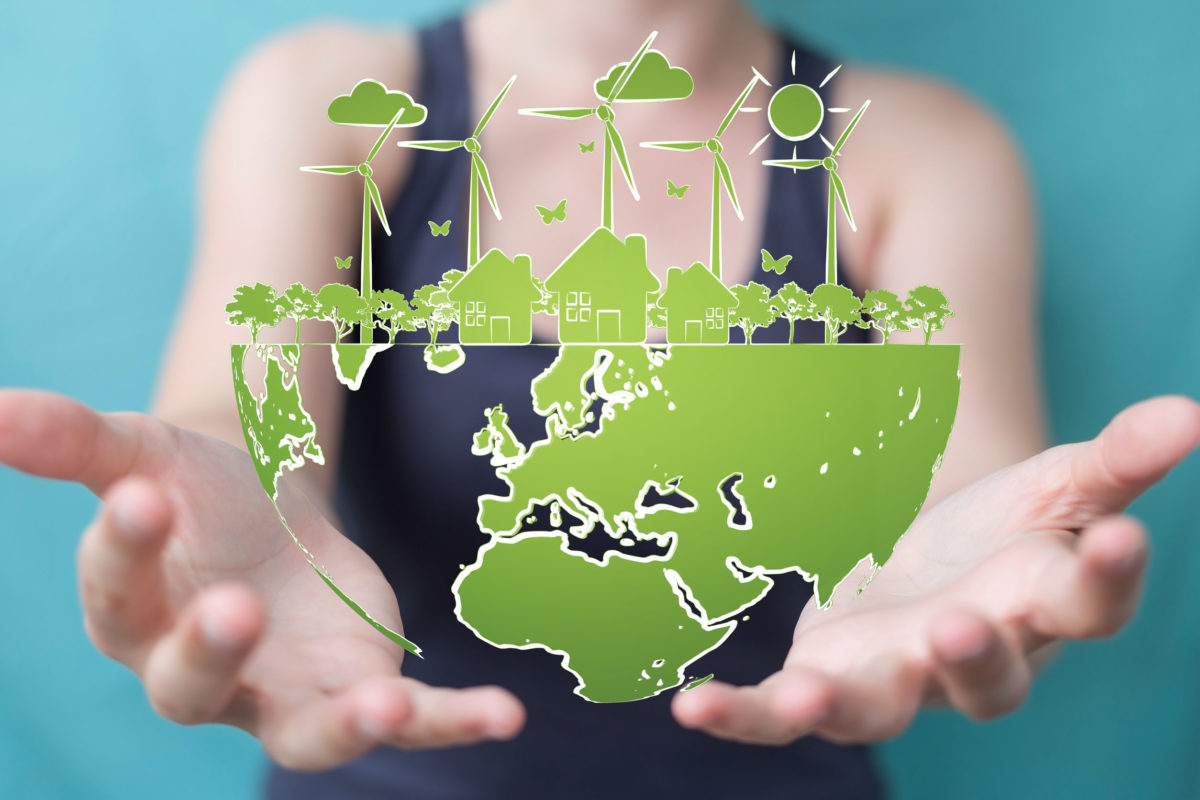
Obiettivi climatici 2030 l'UE lancia un'analisi costi benefici, We need to cut fossil fuel use, transition to renewable. If nations make good on their latest promises to reduce emissions by 2030, the planet will warm by at least 2.7°c this century, a report by.
 Source: www.bbc.com
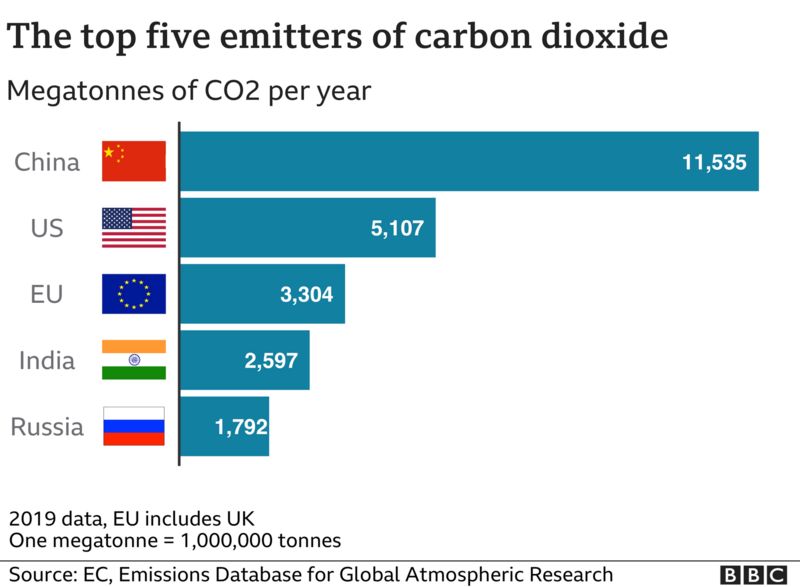
COP26 China and US agree to boost climate cooperation BBC News, This results from a balance. For 1.5°c (2.7°f), this means achieving net zero carbon dioxide emissions globally in the early 2050s;
 Source: www.discovermagazine.com
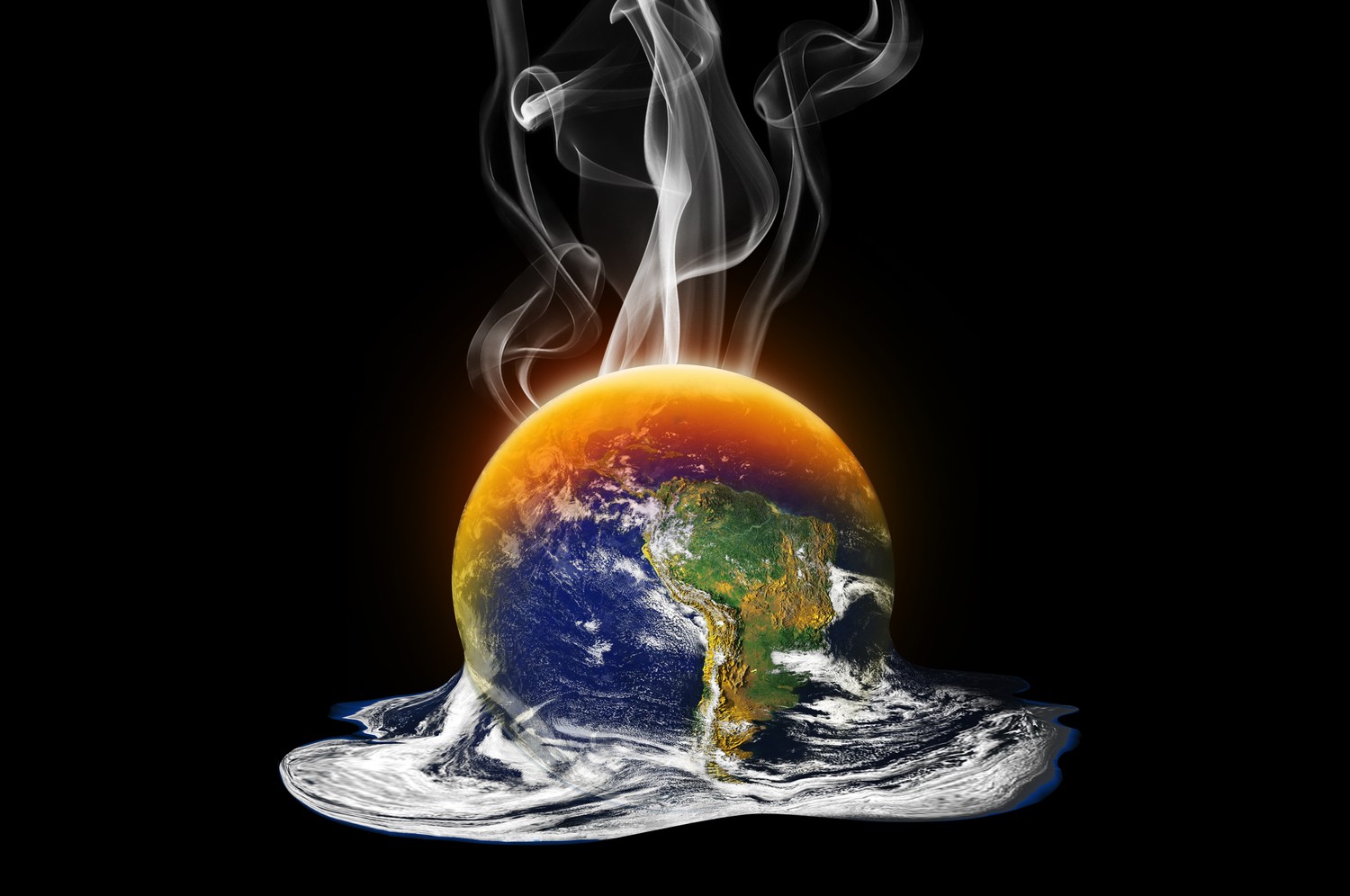
How Hot Will Climate Change Make the Earth By the Year 2100? Discover, If the conditional ndcs are. Since the city council’s ban on private cars in the city, lots of new mobility services have.
 Source: www.usatoday.com
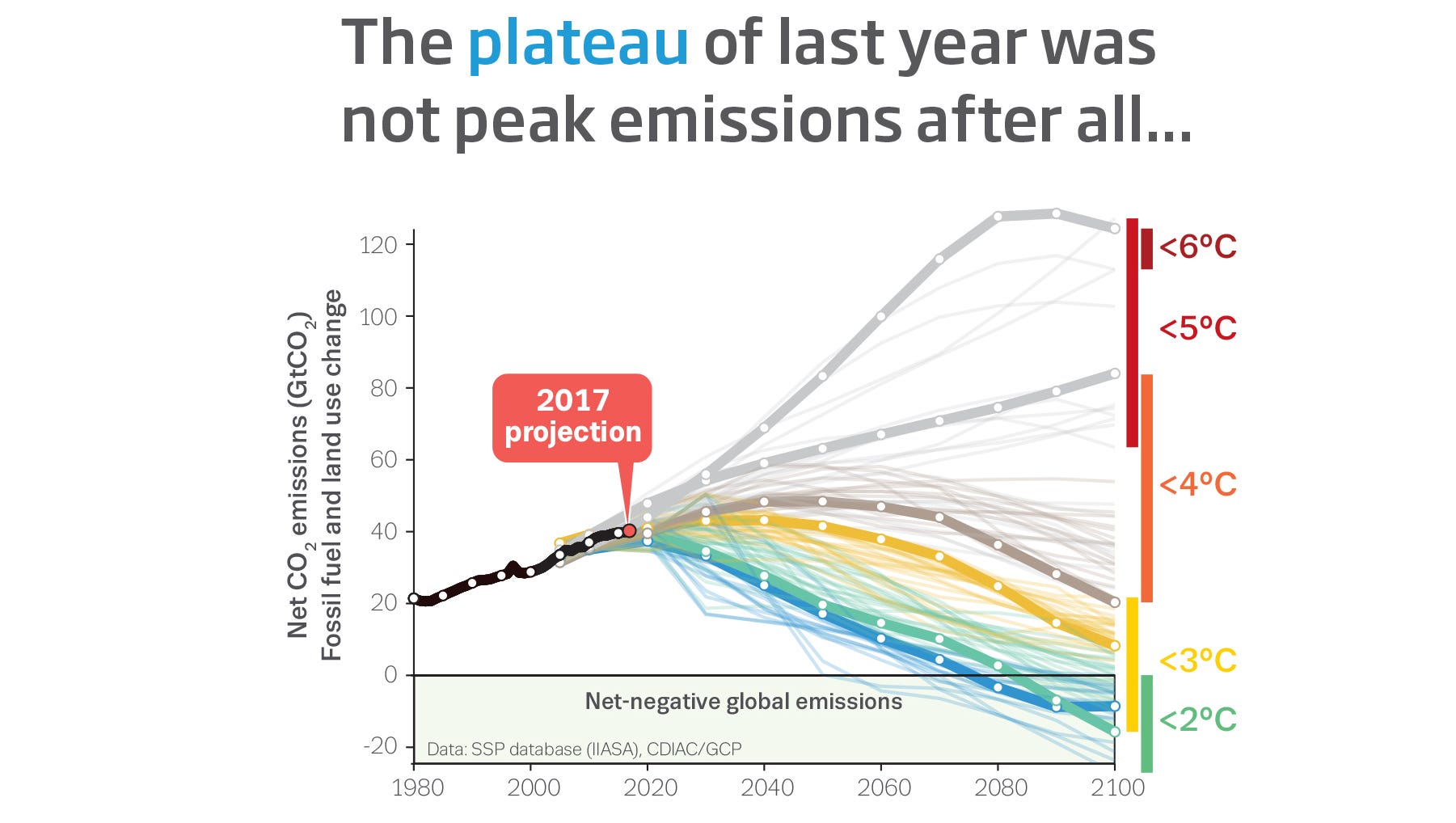
Climate change Global carbon dioxide emissions reach record high, It says that global average temperatures are estimated to rise 1.5 degrees celsius (2.7 degrees fahrenheit) above preindustrial levels sometime around “the first half of the 2030s,” as humans. A understanding global warming of 1.5°c*.
While Climate Finance Continues To Increase, It Remains Far From Sufficient.
Since the city council’s ban on private cars in the city, lots of new mobility services have.
It Says That Global Average Temperatures Are Estimated To Rise 1.5 Degrees Celsius (2.7 Degrees Fahrenheit) Above Preindustrial Levels Sometime Around “The First Half Of The 2030S,” As Humans.
For 1.5°c (2.7°f), this means achieving net zero carbon dioxide emissions globally in the early 2050s;